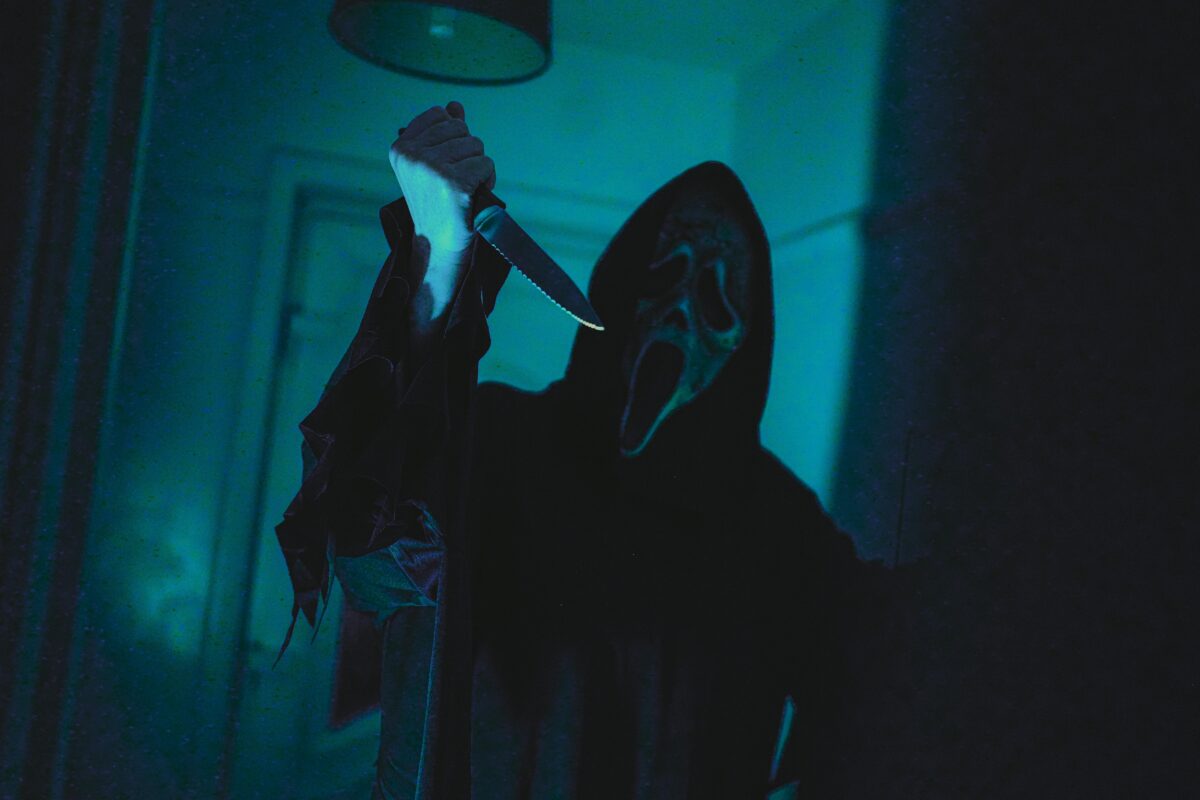
Do you want to know the secret ingredient behind memorable stories? A villain who hooks you and never lets go. Not just because they’re evil — anyone can toss in a cartoonish baddie twirling his mustache — but because they’re interesting, nuanced, even a bit creepy. A good villain gets inside your head, quakes your morals and keeps you interested from the first moment to the last. So let’s discuss how to write one of those.
What Do They Want? No, Seriously—What’s the Point?
Here’s the thing: villains don’t just wake up one day and decide to ruin someone’s life for fun. If your antagonist feels like they’re evil for the sake of being evil, your readers are going to check out. People are motivated by something, even if that “something” is wildly messed up.
Take Thanos. Sure, he’s wiping out half the universe, but he’s not doing it to be the galaxy’s biggest jerk. In his mind, he’s saving everyone. He sees himself as the guy making the hard decisions no one else can. Is it horrifying? Absolutely. But it’s also… understandable? You see his logic, and that’s what makes him stick. When you give your villain a clear goal—and make sure it’s one they deeply believe in—they become infinitely more interesting.
Make Us Feel (Even If We Don’t Want To)
Okay, hear me out: your villain should hurt. Not just in what they do to others but in who they are. We don’t have to love them, but we need to understand why they’re like they are. No one’s just born a villain, you know? So what happened to them?
Take Loki, for example. He’s a mess and a warrior, and he’s heartbreaking. A child who spent his childhood feeling like he didn’t belong, forever behind his brother, seeking affirmation. That insecurity informs everything he does. You don’t make excuses for his behavior, but you can’t help feeling a tad sorry for him. That’s what makes him stick with you. Villains with a chink in their armor — be it childhood trauma, rejection or heartbreak — unsettle readers in the best possible sense.
Let Them Make Chilling Choices
You know what’s scarier than a villain with a massive army or a doomsday device? A villain who chooses to do terrible things, fully aware of the consequences. That’s way more unsettling than someone stumbling into bad decisions.
Walter White is a perfect example. His descent into darkness doesn’t just happen to him—he actively makes it happen. Every lie, every betrayal, every murder is a choice he’s thought through. And that’s what makes him terrifying. He’s not a mindless monster; he’s a guy who could’ve stopped at any point but didn’t. That kind of deliberate evil? It hits differently.
Make Them Sound Like Themselves
A villain’s words can be just as powerful as their actions. The way they talk, the things they say (or don’t say), and how they say them can reveal so much about who they are. And let’s be honest—dialogue is where villains often shine.
Hannibal Lecter is a master class in this. He’s polite, intelligent, and disturbingly calm, even when he’s talking about something as horrific as, you know, eating people. It’s unsettling because it doesn’t match what you expect from someone so dangerous. Think about how your villain sounds. Are they poetic and philosophical? Cold and efficient? Dripping with sarcasm? Their voice should feel as unique as their actions.
Make Them Push Your Hero to the Brink
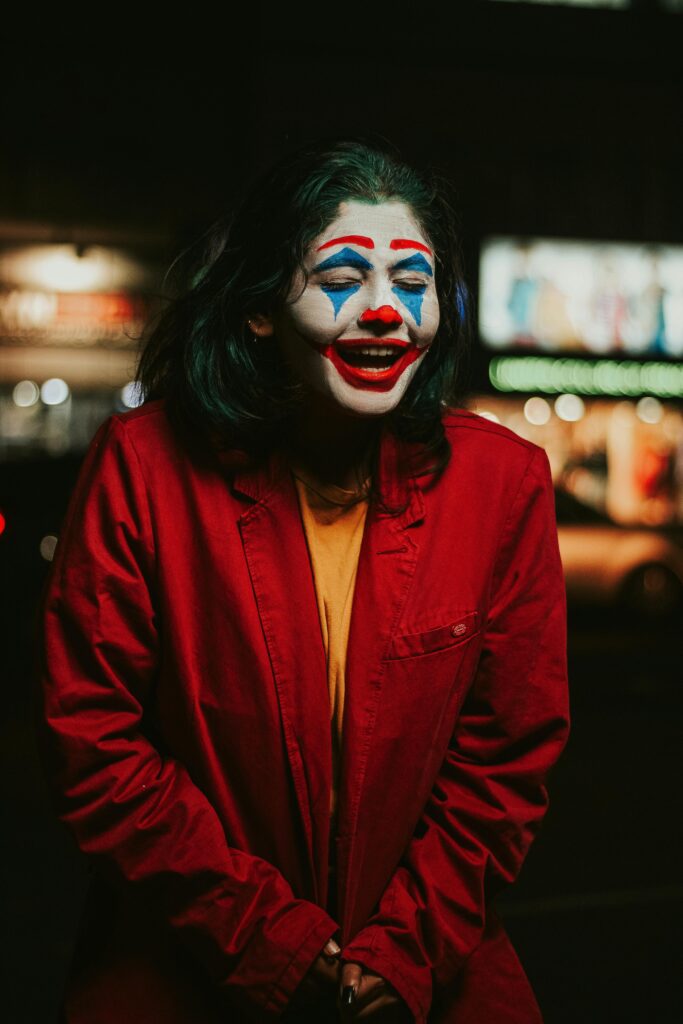
A great villain doesn’t merely wreak havoc for the hell of it — they fundamentally challenge your hero. They’re the perfect foil, the person who makes your protagonist look in the mirror and see their own failings. Which is exactly why the Joker makes an iconic Batman antagonist. He doesn’t just battle him; he rends the foundation upon which Batman is built. The Joker doesn’t want to defeat him; he wants to destroy him.
Complicated Is Good
Look, villains don’t have to be likeable, but they do have to be interesting. Nobody remembers the generic “evil overlord,” but we all remember characters who made us feel something—anger, pity, fear, even reluctant admiration. The best villains are the ones who make us squirm because they feel real.
So think about your favorite villain. Was it their tragic backstory? Their terrifying choices? Their magnetic dialogue? Odds are, it wasn’t just because they were “bad.” It’s because they were human in a way that stuck with you. That’s the magic.
