The Best Stays for Authors on Book Tours

So, you’re on a book tour. Congrats! You’re out there signing books, meeting fans, and trying to act like you’re not running on caffeine and adrenaline. Book tours are a whirlwind—exciting but exhausting. And if you’re relying on hotels to be your sanctuary? Well… good luck with that.

Hotels seem like the obvious choice, but for authors? They’re not great. Between the thin walls, overpriced room service, and the guy next door having a very animated phone call at 2 AM, finding peace—or a decent writing setup—is nearly impossible. If you’re on the road for weeks, you need something better.

Why Hotels and Writers Don’t Mix

Hotels are designed for short stays, not for people who need to live somewhere, even temporarily. First off, writing in a hotel room is a joke. The tiny desk is usually crammed between the TV and the bed, forcing you into an ergonomic nightmare.

And forget about the “business center”—that’s just code for a shared computer and a printer that hasn’t worked since 2015.

Then there’s the noise. Hotels are full of unpredictable chaos—tourists, wedding parties, loud hallway conversations at ungodly hours. If you need quiet to work, you’re out of luck. Even if you just want to sleep, good luck tuning out the 3 AM door slams.

And let’s talk food. Unless you enjoy spending a fortune on room service or surviving on sad vending machine snacks, hotel life gets old fast. You could eat out for every meal, but that drains your wallet and your energy. Sometimes, you just want a home-cooked meal—or at least the option to store more than a single yogurt in a mini-fridge.

Better Options for Book Tour Accommodations

If hotels aren’t cutting it, what’s the move? Thankfully, there are better options—ones that actually make sense for writers.

Vacation rentals are a solid bet. An Airbnb or Vrbo gives you an actual home—a kitchen, a couch, maybe even a cute reading nook. But it’s a gamble. You might score a peaceful retreat, or you might end up next to a nightclub where the bass shakes your laptop.

Boutique inns? Very aesthetic. Think fireplaces, bookshelves, cozy nooks that scream writer vibes. But if you’re not into small talk with strangers over breakfast, it might not be for you.

The Ideal Crash Pad for Touring Authors: Corporate Housing

Now, if you want the best setup for a book tour, corporate housing is where it’s at. It’s like an Airbnb, but better—fully furnished apartments designed for business travelers (and yes, authors count).

First, it’s quiet. No screaming kids, no 2 AM door slams. Just peace. Second, you get real workspaces—actual desks, ergonomic chairs, Wi-Fi that won’t make you rage quit your Zoom interview. And finally, it feels like home—a kitchen, comfy furniture, space to breathe. Oh, and it’s way cheaper for long stays than hotels.

How to Pick the Best Stay for Your Tour

Ultimately, the best location for you depends on your writing habits and comfort requirements. For the adventurous types, vacation rentals can be an entertaining alternative. If you’re into aesthetics and charm, boutique inns may be for you. But if you want something that actually functions as an author’s space—quiet, comfortable, productivity-enhancing—corporate housing is the ultimate hack.

Book tours are exhausting enough. What you don’t need is a stay that complicates matters. Choose a space that nurtures your creativity, allows you to rejuvenate, and—who knows?—perhaps even inspires your next book.


Writing Realistic Dialogue: What Your Characters Should (and Shouldn’t) Say

You ever read dialogue in a book and think, Who even talks like that? Maybe it’s too perfect, too polished, or worse—it sounds like a robot wrote it. Bad dialogue is like bad acting: it pulls you out of the story. But when it’s good? You barely notice because it feels so real. Let’s talk about how to make your characters sound like actual people without turning them into walking clichés.

Keep It Short, Seriously 

People don’t talk in paragraphs. They just don’t. Think about the last real conversation you had—did anyone explain everything in one breath? Probably not. If your character says something like, “I went to the store earlier because I noticed we were completely out of eggs, and I thought we’d need them for breakfast tomorrow,” stop right there. It’s more realistic to say, “Ran to the store. We were out of eggs.” Short, snappy, done. Here’s something for you to try: take the longest line of dialogue you’ve written and chop it in half. Then look at it again and chop it in half again. It might hurt, but trust me, it’ll sound more natural.

Let People Interrupt Each Other 

Conversations are messy. People cut each other off, lose track of what they’re saying, or start a sentence they don’t even finish. If every line in your story is perfectly timed and orderly, it’s going to feel fake. For example:

  • “Wait, so you think—”
    “No, that’s not what I meant!”
    It’s chaotic, but that’s how people actually talk. Look at one of your scenes and mess it up a little. Add someone cutting in mid-sentence or changing the subject. See how much more alive it feels.

Don’t Explain Everything 

You know those scenes where a character tells another character stuff they both already know? Yeah, don’t do that. If someone says, “As you know, my father started this company in 1980, and it’s been my responsibility since he retired,” it’s painfully obvious that line is meant for the reader, not the character. Instead, try something like, “Dad dumped this company on me, and now it’s a mess.” Boom. The rest is implied. Your turn: find a line in your story where a character is overexplaining. Rewrite it so it feels like they’re talking to another person—not delivering a lecture.

Let Their Voices Stand Out 

Every character should sound like themselves. A teenager isn’t going to talk like their mom, and their mom isn’t going to talk like their lawyer. Think about their personality. A nervous character might stumble through their words: “Uh, I mean, I guess we could… if you want?” Meanwhile, a confident one keeps it sharp: “We’re doing this. End of discussion.” Here’s a fun exercise: write a quick exchange between two of your characters. Then strip out all the tags (no “he said,” “she said”). Can you tell who’s talking just by their word choice? If not, give them more personality.

Not Everything Needs to Be Said 

Sometimes, what’s not said is more powerful. Think about the last time you were mad at someone. Did you tell them exactly how you felt, or did you slam a door or give them the silent treatment? A line like, “I’m fine,” while the character avoids eye contact, says more than a whole paragraph about how they’re not fine. Try this: find a moment in your story where a character explains how they feel. Replace it with an action. Instead of saying, “I’m angry with you,” maybe they shove their chair back and walk out of the room. Let the reader feel it.

Eavesdropping Is Research 

Next time you’re in a coffee shop or waiting in line, listen to how people talk. Notice the little things. People pause, say “like” or “um,” and sometimes they don’t even finish their sentences. Write down a snippet of something you hear, then imagine one of your characters saying it. How would they change it?

Actions Speak Louder Than Words 

Dialogue doesn’t happen in a vacuum. What’s the character doing while they’re talking? Are they pacing, avoiding eye contact, fidgeting? A line like, “I can’t do this anymore,” feels different if they’re sitting still versus if they’re ripping up a piece of paper while they say it. Grab a random line of dialogue from your story and add a small action to it. Even something as simple as a shrug or a sigh can change the whole vibe.

Time to Practice 

Okay, here’s a quick exercise for you. Imagine two characters stuck in a long traffic jam. One is totally losing it, and the other is trying to stay calm. Write their conversation. Focus on making their personalities shine through the dialogue—without overthinking it.

When dialogue feels real, the story feels real. Readers don’t want polished speeches. They want characters who sound like people they could bump into at the grocery store. Keep it messy, keep it honest, and let your characters talk the way they need to.

How to Write Villains That Stick With Readers

Do you want to know the secret ingredient behind memorable stories? A villain who hooks you and never lets go. Not just because they’re evil — anyone can toss in a cartoonish baddie twirling his mustache — but because they’re interesting, nuanced, even a bit creepy. A good villain gets inside your head, quakes your morals and keeps you interested from the first moment to the last. So let’s discuss how to write one of those.

What Do They Want? No, Seriously—What’s the Point?

Here’s the thing: villains don’t just wake up one day and decide to ruin someone’s life for fun. If your antagonist feels like they’re evil for the sake of being evil, your readers are going to check out. People are motivated by something, even if that “something” is wildly messed up.

Take Thanos. Sure, he’s wiping out half the universe, but he’s not doing it to be the galaxy’s biggest jerk. In his mind, he’s saving everyone. He sees himself as the guy making the hard decisions no one else can. Is it horrifying? Absolutely. But it’s also… understandable? You see his logic, and that’s what makes him stick. When you give your villain a clear goal—and make sure it’s one they deeply believe in—they become infinitely more interesting.

Make Us Feel (Even If We Don’t Want To)

Okay, hear me out: your villain should hurt. Not just in what they do to others but in who they are. We don’t have to love them, but we need to understand why they’re like they are. No one’s just born a villain, you know? So what happened to them?

Take Loki, for example. He’s a mess and a warrior, and he’s heartbreaking. A child who spent his childhood feeling like he didn’t belong, forever behind his brother, seeking affirmation. That insecurity informs everything he does. You don’t make excuses for his behavior, but you can’t help feeling a tad sorry for him. That’s what makes him stick with you. Villains with a chink in their armor — be it childhood trauma, rejection or heartbreak — unsettle readers in the best possible sense.

Let Them Make Chilling Choices

You know what’s scarier than a villain with a massive army or a doomsday device? A villain who chooses to do terrible things, fully aware of the consequences. That’s way more unsettling than someone stumbling into bad decisions.

Walter White is a perfect example. His descent into darkness doesn’t just happen to him—he actively makes it happen. Every lie, every betrayal, every murder is a choice he’s thought through. And that’s what makes him terrifying. He’s not a mindless monster; he’s a guy who could’ve stopped at any point but didn’t. That kind of deliberate evil? It hits differently.

Make Them Sound Like Themselves

A villain’s words can be just as powerful as their actions. The way they talk, the things they say (or don’t say), and how they say them can reveal so much about who they are. And let’s be honest—dialogue is where villains often shine.

Hannibal Lecter is a master class in this. He’s polite, intelligent, and disturbingly calm, even when he’s talking about something as horrific as, you know, eating people. It’s unsettling because it doesn’t match what you expect from someone so dangerous. Think about how your villain sounds. Are they poetic and philosophical? Cold and efficient? Dripping with sarcasm? Their voice should feel as unique as their actions.

Make Them Push Your Hero to the Brink

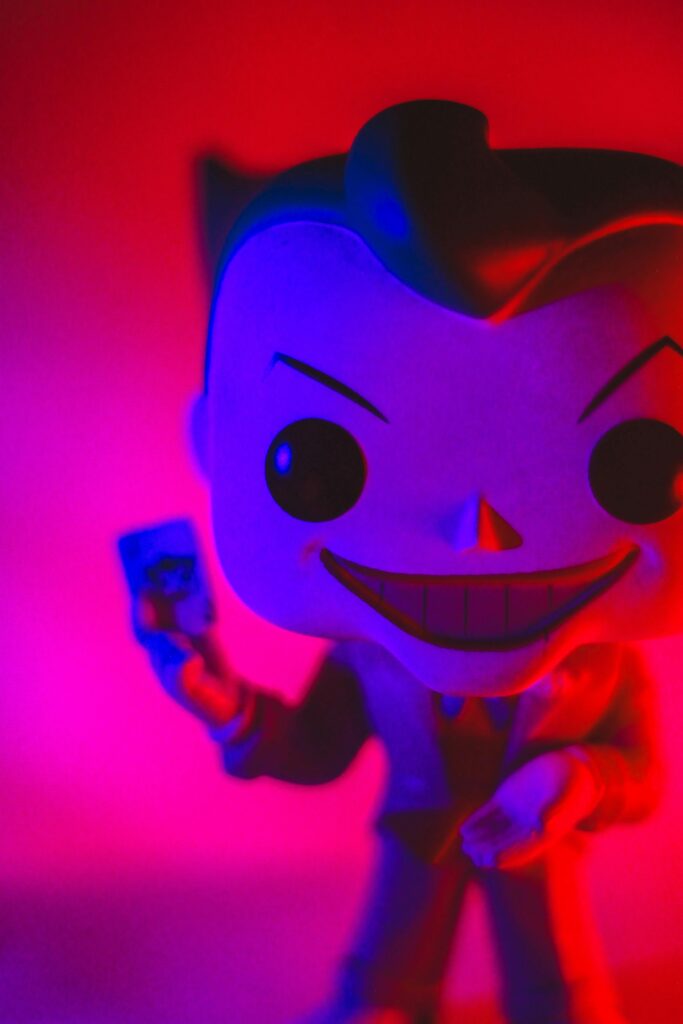
A great villain doesn’t merely wreak havoc for the hell of it — they fundamentally challenge your hero. They’re the perfect foil, the person who makes your protagonist look in the mirror and see their own failings. Which is exactly why the Joker makes an iconic Batman antagonist. He doesn’t just battle him; he rends the foundation upon which Batman is built. The Joker doesn’t want to defeat him; he wants to destroy him.

Complicated Is Good

Look, villains don’t have to be likeable, but they do have to be interesting. Nobody remembers the generic “evil overlord,” but we all remember characters who made us feel something—anger, pity, fear, even reluctant admiration. The best villains are the ones who make us squirm because they feel real.

So think about your favorite villain. Was it their tragic backstory? Their terrifying choices? Their magnetic dialogue? Odds are, it wasn’t just because they were “bad.” It’s because they were human in a way that stuck with you. That’s the magic.